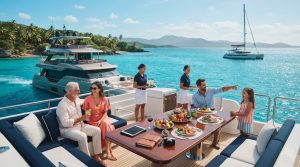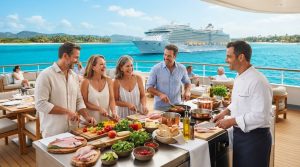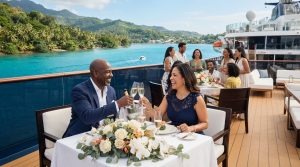
The most opulent stateroom afloat cannot guarantee an extraordinary wildlife encounter if your ship’s design works against the archipelago’s unique waters. True excellence aboard expedition cruises galapagos depends on vessel capacity and loop logistics far more than thread count alone.
Planning this milestone journey often feels daunting. Between strict National Park conservation rules, contrasting sailing routes, and coordinating multi-leg mainland flights through Quito or Guayaquil, the logistical puzzle can quickly cloud your excitement. Weighing the intimate access of a boutique yacht against the open-water stability of a larger expedition ship adds another crucial layer to your decision.
You deserve an adventure that unfolds with effortless grace. In this 2026 luxury buying guide, you will discover clear criteria to select your optimal vessel class, gain total clarity on Eastern versus Western itineraries, and learn how white-glove coordination secures every transfer and suite selection. Here is your definitive roadmap to exploring Darwin’s living laboratory in supreme comfort and peace of mind.
Key Takeaways
- Understand how strict National Park conservation guidelines and naturalist guide ratios define genuine luxury in the field, far beyond onboard amenities alone.
- Compare vessel dynamics across 16-guest boutique yachts, modern catamarans, and stable 100-passenger ships to match your personal comfort and space preferences.
- Distinguish between the young volcanic landscapes of the Western loop and the ancient, avian-rich Eastern circuit when planning luxury expedition cruises galapagos.
- Evaluate your physical mobility against daily wet landings and rugged lava trails to select the cabin category and sailing style that suit you best.
- Streamline complex mainland flight connections, mandatory biosecurity protocols, and comprehensive travel protection through coordinated, end-to-end travel planning.
What Defines an Expedition Cruise in the Galapagos Islands?
An authentic expedition voyage strips away the passive atmosphere of conventional cruising and replaces it with immersive field exploration. Across the protected waters of the Galápagos Islands, luxury is measured by immediate wildlife access paired with intuitive, boutique hospitality. You might spend the morning tracing giant tortoise tracks across misty highlands, then return to chilled towels, locally sourced gastronomy, and restful panoramic lounge views. It’s a purposeful balance that honors this delicate ecological sanctuary while keeping your personal comfort paramount.
Expedition Cruising Versus Traditional Ocean Cruising
Traditional ocean travel centers on poolside leisure and theatrical evening entertainment. By comparison, expedition cruises galapagos prioritize field naturalism and active discovery. Your schedule follows the wildlife’s daily rhythms, meaning days are filled with guided hikes, deep-water snorkeling, and coastal skiff explorations.
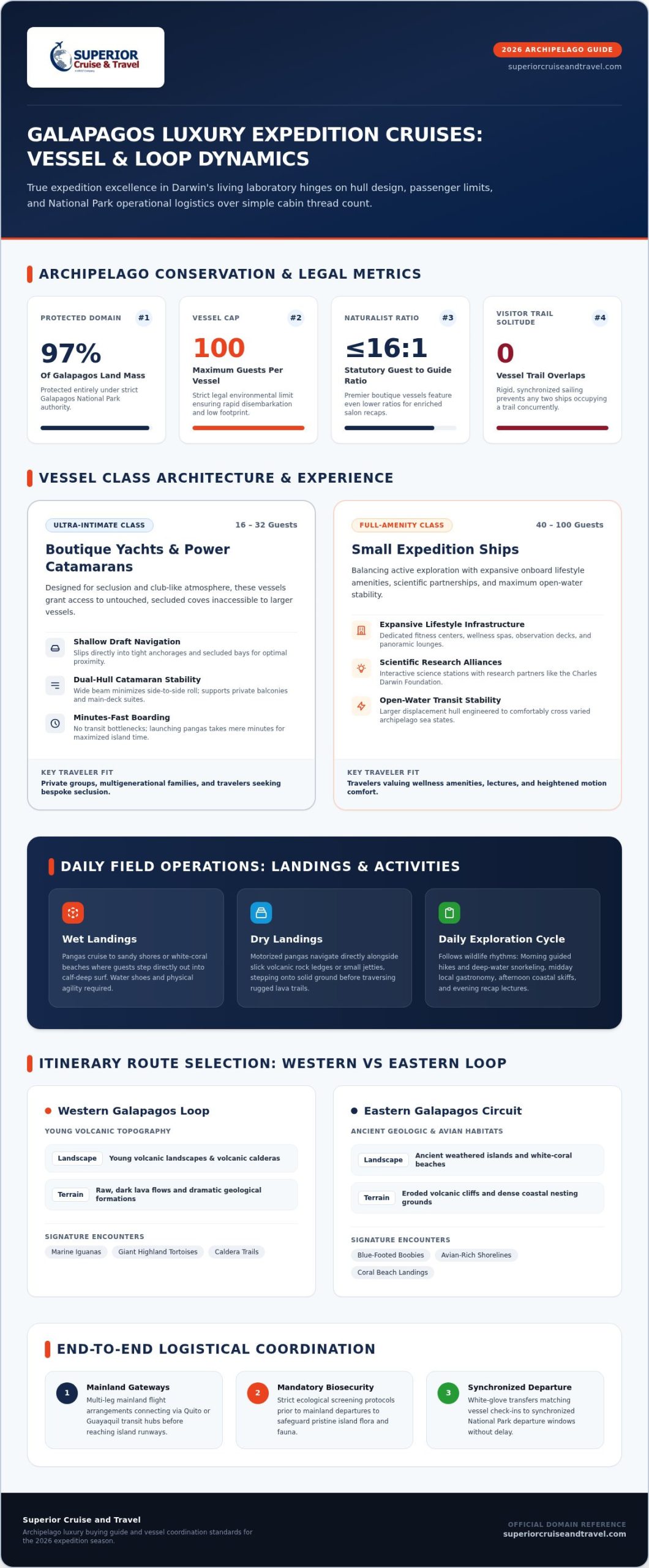
Daily operations rely on sturdy motorized dinghies, known locally as pangas. You’ll navigate both dry landings onto slick volcanic rock and wet landings where you step directly into calf-deep surf. National Park regulations mandate that all shore excursions must be led by certified naturalist guides. While the law allows up to 16 guests per guide, premier boutique vessels often maintain even lower guest-to-guide ratios. Each evening concludes with salon-style recap lectures, transforming daily sightings of marine iguanas and blue-footed boobies into rich ecological insights.
The 100-Passenger Environmental Limit Explained
Environmental preservation guides every operational decision in the archipelago, where the National Park covers 97 percent of the land area. To safeguard fragile nesting sites and endemic species, the park authority strictly caps all passenger vessels at a maximum of 100 guests.
This environmental limit delivers immense practical benefits for travelers. With smaller passenger counts aboard, launching pangas takes mere minutes, granting you extended time on the trails rather than waiting in boarding lines. The park service also coordinates rigid, synchronized sailing schedules so that no two vessels occupy the same visitor trail at the same time. You can walk across pristine white-coral beaches and volcanic calderas in complete peace, surrounded only by wildlife and your small expedition group.
Vessel Comparison: Boutique Yachts, Catamarans, and Small Expedition Ships
Selecting your vessel sets the rhythm of your entire journey. Unlike standard cruise corridors, the Galápagos marine ecosystem presents diverse sea states, varied anchorage depths, and distinct physical landing profiles. Evaluating hull design, interior suite footprints, and guest capacity helps ensure your voyage matches your expectations for comfort, stability, and discovery.
16 To 32-Passenger Boutique Yachts and Power Catamarans
Small boutique vessels represent the pinnacle of intimacy. With passenger numbers capped at 16 to 32 guests, these yachts foster a private club atmosphere with bespoke service. Their shallow draft allows captains to slip into secluded coves and tucked-away anchorages that larger vessels cannot access.
Modern power catamarans stand out within this category. Their dual-hull architecture provides wide beam dimensions, translating into expansive main-deck suites with private balconies and generous social lounges. This wide stance also reduces side-to-side rolling, offering impressive natural stability during open-water transits. For multigenerational families or private groups seeking absolute seclusion, securing private yachts through luxury cruise coordination transforms an active expedition into an exclusive, fully personalized sanctuary.
40 To 100-Passenger Luxury Expedition Vessels
Larger expedition vessels accommodate between 40 and 100 travelers, merging rugged exploration with extensive onboard lifestyle amenities. These ships typically feature dedicated fitness centers, wellness spas, observation decks, and interactive science stations. Many vessels partner directly with research initiatives led by organizations like the Charles Darwin Foundation, turning downtime between landings into fascinating conservation seminars.
When comparing vessel sizes for expedition cruises galapagos, consider these structural differences:
- Motion management: Ships carrying 70 to 100 passengers utilize advanced hydrodynamic stabilizers, significantly smoothing out open-ocean crossings across choppy channels.
- Interpreter ratios: While smaller yachts feature one or two guides for the entire group, larger vessels host multi-disciplinary expedition teams of six to eight specialists, including marine biologists and photo instructors.
- Excursion flexibility: Mid-sized and larger ships often offer tiered activity tracks, allowing guests to choose between brisk volcanic summit hikes, relaxed coastal walks, or glass-bottom boat tours.
Ultimately, both vessel styles deliver extraordinary access. Your ideal choice balances a preference for boutique intimacy against the desire for comprehensive amenities and enhanced sea-handling stability.
Choosing Your Itinerary: Western Versus Eastern Galapagos Routes
Every island in the archipelago tells a distinct geological story. Because the tectonic Nazca Plate drifts slowly eastward over a volcanic hotspot, the western islands are volcanically young and rugged, while the eastern islands are millions of years older, softer, and heavily eroded. Choosing between these loops is one of the most decisive steps when planning luxury expedition cruises galapagos, as each route delivers completely different landscape profiles and wildlife encounters.
The Western Route: Fernandina and Isabela
The western perimeter offers a glimpse into planetary creation. Dominated by massive shield volcanoes, Fernandina and Isabela showcase vast, stark fields of black basalt and dramatic uplifted marine beds. Here, the deep underwater Cromwell Current collides with the island shelves, creating powerful upwelling currents brimming with nutrients.
These cold, fertile waters support an astonishing concentration of marine life. It’s the premier realm for spotting flightless cormorants drying their stunted wings on coastal rocks, dense gatherings of marine iguanas, and playful Galápagos penguins. Snorkeling excursions plunge you into nutrient-rich depths alongside Pacific green sea turtles, rays, and passing cetaceans. Because sailing here touches the archipelago’s outer edge, open-ocean conditions can be slightly more active, rewarding travelers with raw, untamed beauty.
The Eastern and Southern Route: Española, San Cristóbal, and Floreana
Sailing east and south brings you to gentler terrain framed by turquoise bays and white-sand beaches. The waters here are generally more sheltered, providing calm navigation between iconic historical landing sites like Post Office Bay on Floreana.
This route is renowned for exceptional birdlife and sprawling marine mammal nurseries:
- Española’s cliffside nesting grounds: The sole breeding colony of the majestic waved albatross, performing elaborate courtship dances between April and December.
- Vibrant marine rookeries: Hundreds of Galápagos sea lions lounging alongside colorful sally lightfoot crabs along the shores of Gardner Bay.
- Distinct endemic species: Sighting opportunities for hooded mockingbirds, red-footed boobies on Genovesa, and iconic land iguanas.
If your schedule allows, combining western and eastern loops into an extended journey ensures your expedition cruises galapagos adventure covers the full ecological spectrum without repeating a visitor site, delivering an unforgettable, deeply rewarding immersion.
Essential Checklist for Selecting the Right Galapagos Expedition in 2026
A successful archipelago journey requires matching your personal travel style to field realities. Before locking in your sailing, evaluate your comfort with physical activity, examine inclusions, and align your calendar with seasonal marine currents. Having a clear checklist ensures you invest in an adventure that exceeds every expectation.
Evaluating Guide Credentials and Onboard Enrichment
The caliber of your naturalist team shapes your understanding of every trail. Look for operators employing Level 3 certified guides, the highest credential awarded by the National Park Service. These veteran naturalists bring deep expertise in evolutionary biology and conservation history. Top-tier vessels also host dedicated photography coaches who run workshops during daytime sailings, helping you capture stunning wildlife portraits without disturbing nesting animals.
Seasonal Timing: Warm and Wet Versus Cool and Dry
Archipelago weather splits into two main seasons, each presenting distinct marine and wildlife conditions:
- Warm and wet season (January to May): Characterized by sunny skies, calm sea conditions, and water temperatures averaging 75 to 80 degrees Fahrenheit. It’s the ideal window for crystalline snorkeling visibility and watching sea turtles and land iguanas nest.
- Cool and dry season (June to December): Driven by the southern Humboldt Current, bringing nutrient-rich, cooler waters (68 to 72 degrees Fahrenheit) and a light mist known as garúa. Marine life peaks during this period, with heightened whale activity in western waters and active breeding displays among seabirds.
Balancing Luxury Inclusions and Stateroom Selection
The term “all-inclusive” varies widely across luxury expedition cruises galapagos. Verify whether your fare covers premium wetsuits, dry-snorkel gear, sea kayaks, and open bar service, or if these incur extra charges. For accommodations, prioritizing a suite with a private step-out balcony allows you to watch dolphins ride bow waves in complete tranquility. You can study broader industry standards by reviewing expert insights on luxury cruise vacations to establish clear service expectations.
Physical mobility demands thoughtful consideration too. Shore outings involve stepping onto slippery boulders or wading through surging breakers. If you prefer low-impact exploration, look for ships equipped with glass-bottom boats and accessible tender boarding platforms.
Take the guesswork out of comparing ship amenities and seasonal wildlife windows. Plan your bespoke expedition cruise with Superior Cruise and Travel to secure preferred cabin categories and ensure every detail is tailored to your comfort.
Seamless Expedition Logistics: Flights, Transfers, and Travel Protection
Reaching an isolated volcanic archipelago 600 miles off South America’s Pacific coast demands precise coordination. Unlike stepping onto a conventional Caribbean cruise from a domestic port, your voyage requires synchronized multi-leg air connections, mainland overnights, and strict biosecurity protocols. Having every operational detail locked in before departure transforms a potentially stressful journey into a smooth, effortless transition.
Navigating Mainland Gateways and Island Transfers
Every journey begins with an international flight into mainland Ecuador, landing in either Quito or Guayaquil. Scheduling at least one or two nights on the mainland before your sailing is essential. This buffer absorbs unexpected international delays and gives you time to explore Quito’s historic colonial center or Guayaquil’s riverside promenade.
From the mainland, you’ll board a morning domestic flight to either Baltra or San Cristóbal. Before checking your bags, you must complete mandatory migration steps at the mainland terminal:
- Transit Control Card (TCT): Purchase this mandatory Ingala migration document ($20 USD per person) prior to flight departure.
- Biosecurity baggage screening: Undergo quarantine inspection to verify no organic materials, seeds, or restricted single-use plastics enter the ecosystem.
- Park entrance fee: Upon landing on the islands, adult international visitors pay the mandatory Galapagos National Park entrance fee ($200 USD, in cash) at the airport border desk.
Managing these interlocking flight schedules, VIP mainland transfers, and airport formalities requires deep destination expertise. Understanding why use a travel agent for a luxury cruise helps ensure you bypass transit headaches entirely.
Securing Comprehensive Travel Protection for Remote Expeditions
Remote geography makes travel protection indispensable. The Galápagos has limited medical infrastructure, meaning severe health emergencies require complex aeromedical evacuation back to the mainland. While health insurance coverage is a legal prerequisite for island entry, comprehensive travel protection also safeguards your investment against flight delays, missed island connections, or unforeseen itinerary deviations across multi-leg international bookings.
Curated Planning with Superior Cruise and Travel
Superior Cruise and Travel orchestrates every component of elite expedition cruises galapagos. As a BBB-accredited luxury agency, we leverage our global supplier network to secure preferred staterooms on top boutique vessels and small exploration ships. For families seeking total privacy, we coordinate bespoke charters on elite private yachts. From securing permits to coordinating flights and multi-component travel protection, our dedicated advisors ensure your milestone expedition unfolds with absolute peace of mind.
Embark on Your Galapagos Adventure in Supreme Comfort
An unforgettable journey through Darwin’s archipelago hinges on alignment. Finding the ideal vessel class, whether an intimate 16-guest catamaran or an ocean-going exploration ship, establishes the foundation for daily discovery. Pairing that platform with an itinerary tailored to your preferred wildlife encounters ensures every landing exceeds expectations.
You don’t need to juggle complex mainland flight connections, National Park migration cards, or multi-leg schedules on your own. As a BBB-accredited luxury travel agency, our experienced team provides preferred booking access to elite boutique fleets and private charters, backed by white-glove logistical coordination and comprehensive travel protection. Let Superior Cruise and Travel orchestrate your seamless Galapagos expedition. Step aboard premier expedition cruises galapagos with complete peace of mind, ready to witness one of our planet’s greatest living laboratories unfold around you.
Frequently Asked Questions
How far in advance should I book an expedition cruise to the Galapagos?
You should book your expedition cruise 9 to 12 months in advance, especially if you plan to travel during peak holiday weeks or the July and August summer surge. With small boutique yachts carrying just 16 guests and larger vessels legally capped at 100, top staterooms and prime seasonal itineraries fill rapidly. Reserving early ensures preferred cabin selection, optimal deck placements, and seamless domestic flight coordination.
What is the main difference between a luxury yacht and a 100-passenger ship?
Vessel scale directly shapes your onboard pace and shore access. A 16 to 32-passenger boutique yacht delivers an intimate, private-club atmosphere with swift panga boarding and tucked-away anchorage access. Conversely, a 100-passenger ship offers broader lifestyle amenities, such as wellness spas and specialized lecture theaters, alongside advanced hydrodynamic hull stabilizers that smooth out open-ocean crossings. Both adhere to strict National Park naturalist guide ratios.
Are Galapagos expedition cruises suitable for travelers prone to seasickness?
Yes, travelers sensitive to motion can comfortably enjoy expedition cruises galapagos by choosing the right vessel and loop. Modern power catamarans feature broad dual hulls that minimize side-to-side rolling, while 70 to 100-passenger exploration ships employ active fin stabilizers. Additionally, choosing an Eastern or Southern itinerary keeps your sailing primarily within sheltered, tranquil waters rather than exposed open-ocean swells.
What gear is typically included on a luxury Galapagos expedition cruise?
Luxury operators provide almost all technical exploration equipment, eliminating the need to haul heavy specialty gear. Guests typically receive shorty or full 3mm neoprene wetsuits, premium masks, snorkels, fins, and flotation aids. Many boutique vessels and small ships also supply sea kayaks, stand-up paddleboards, and walking poles for rocky hikes. You only need to pack sturdy water shoes, trail footwear, and reef-safe sunscreen.
Can I visit the Galapagos on an expedition cruise year-round?
The archipelago is an exceptional year-round destination because wildlife remains active across all twelve months. From January to May, travelers enjoy calm seas, warmer waters averaging near 80 degrees Fahrenheit, and sunny skies. From June to December, the nutrient-dense Humboldt Current brings cooler temperatures, thriving marine feeding activity, and prime whale-watching opportunities. Your choice simply depends on whether you prefer crystalline snorkeling or cooler hiking conditions.
Why do I need to fly through mainland Ecuador to reach the Galapagos?
International flights cannot fly directly into the Galapagos Islands to prevent the introduction of invasive species and protect the delicate archipelago ecosystem. All travelers must first enter mainland Ecuador through Quito or Guayaquil. There, passengers clear specialized biosecurity inspections, obtain their mandatory Transit Control Card migration document, and board authorized domestic flights connecting directly to island airfields on Baltra or San Cristóbal.
Is travel protection necessary for an expedition cruise to the Galapagos?
Travel protection is essential when booking remote expedition cruises galapagos. Proof of medical coverage is legally required for island entry, and remote geographic isolation makes emergency medical evacuation coverage critical. Because an expedition links multiple moving pieces, including mainland international flights, domestic connections, and cruise reservations, securing multi-component travel protection safeguards your financial investment against flight disruptions, missed connections, or unforeseen emergencies.