
Last Updated: October 24, 2026
Quick Summary
The best seasonal travel tips for families with young children start with matching your trip to the weather, the crowds, and your child’s age. For most families, shoulder seasons in late spring and early fall offer the best mix of mild weather and smaller crowds. Plan one high-priority activity per day and leave the rest flexible.
- Leave right before nap time so a toddler sleeps through the first two hours of the drive.
- Pack a carry-on with a full change of clothes, snacks, and comfort items for each child.
- Use broad-spectrum sunscreen with an SPF of at least 30, reapplied every two hours and after swimming.
- Travel midweek instead of weekends and book popular attractions for early morning.
- Superior Cruise and Travel plans family trips with no service fees and custom itineraries.
Table of Contents
- Why Seasonal Travel Tips Matter for Families With Young Children
- Finding the Best Time to Travel With Kids
- Building a Family Vacation Itinerary With Young Children
- Your Seasonal Packing List for Family Vacations
- Road Trip Tips for Families With Toddlers
- Health and Safety Tips That Change by Season
- Crowds, School Calendars, and Seasonal Travel Costs
- Planning Your Family Trip With a Travel Advisor
- Frequently Asked Questions
Why Seasonal Travel Tips Matter for Families With Young Children
Traveling with little ones is a different sport in July than it is in January.
Why does timing matter so much? Young children handle heat, cold, and long days differently than adults.
This guide covers the practical side of seasonal travel tips: when to go, what to pack, how to handle road trips, and how to build a backup plan.
Finding the Best Time to Travel With Kids
The best time to travel with kids depends on three things: weather, crowds, and your child’s nap schedule. For most families, shoulder seasons (late spring and early fall) offer the best mix of mild weather and smaller crowds.
Summer works well for beach and resort trips, but expect heat and higher prices. Winter suits warm-weather escapes, though holiday travel adds cost and chaos. If you can travel outside school breaks, do it.
Parents comparing destinations often want to see which resorts make seasonal timing easier. Our guide to all-inclusive family resorts with kids clubs covers programs built around nap schedules and shade.
Building a Family Vacation Itinerary With Young Children
A family vacation itinerary with young children should be built around rest, not attractions. Plan one high-priority activity per day, then leave the rest flexible.
Here is a simple structure that works:
- Morning: One main activity, when energy is highest
- Midday: Lunch and quiet downtime back at the room
- Afternoon: A low-key option like a pool, park, or beach
- Evening: Early dinner and a calm bedtime routine
Build in rest breaks and downtime on purpose. If you’re shaping a full itinerary and want help choosing the right resort package, our guide to planning luxury family resort vacations walks through the booking side.
Your Seasonal Packing List for Family Vacations
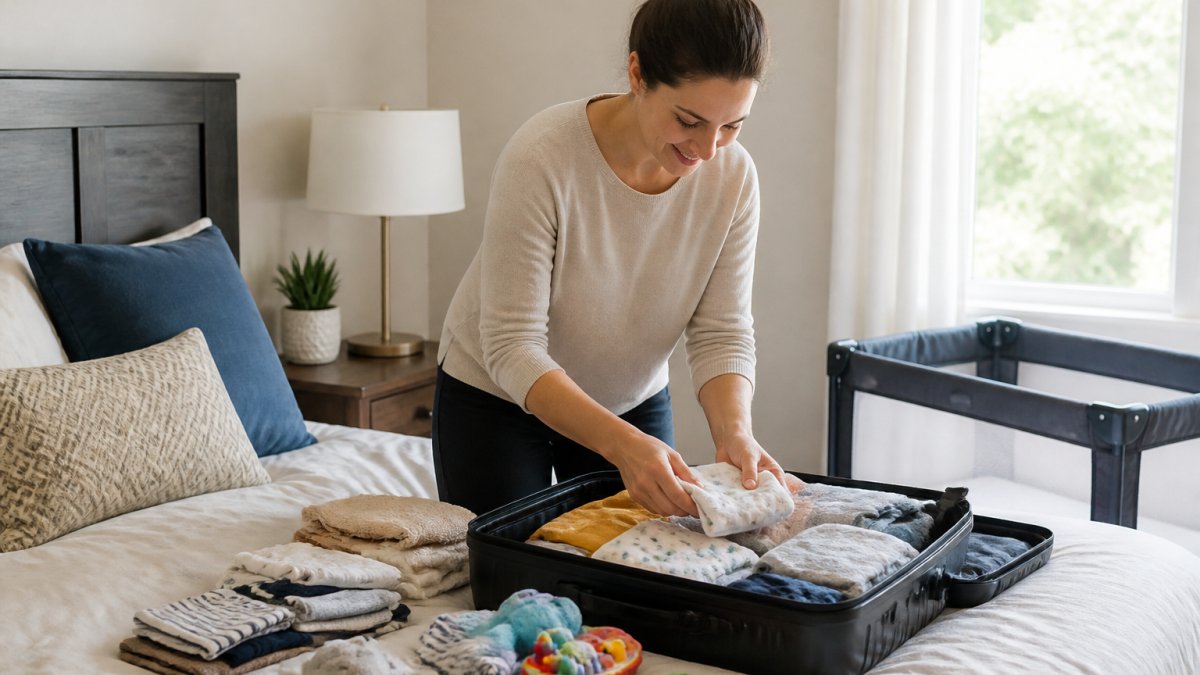
A seasonal packing list for family vacations changes with the weather, but the biggest variable is your child’s age. A baby needs different gear in July than a preschooler does in January, and most generic checklists ignore that.
Summer packing (heat, sun, water)
- Light, breathable layers and wide-brim sun hats
- Broad-spectrum sunscreen (check the label for the current FDA sunscreen monograph) and a small shade cover for the stroller
- Extra water bottles, one per child plus a refill bottle
Winter packing (cold, wet, dry air)
- Warm base layers and a waterproof outer layer
- Gloves, hats, and at least two extra pairs of socks per child
- A blanket for the stroller or car
Spring and fall packing (rain, allergies, variable temperatures)
- Rain jackets and a stroller rain cover
- A mix of short and long sleeves for temperature swings
- Closed-toe shoes that can handle mud and puddles
Age-specific add-ons
Babies (under 12 months)
- Extra diapers and wipes for one additional day beyond your plan
- A portable changing pad and wet bag
- A travel crib or bassinet that meets current CPSC safety standards
Toddlers (1-3 years)
- Two full changes of clothes per travel day
- A familiar sleep item (lovey, sleep sack, sound machine)
- Pull-ups or diapers plus a travel potty seat if potty training is underway
Preschoolers (3-5 years)
- A small backpack they can carry with a snack, water, and a comfort item
- Weather-appropriate outerwear they can put on themselves
- A change of clothes in the car or carry-on
Pack a carry-on with a full change of clothes, snacks, and comfort items for each child. The Transportation Security Administration family screening guidance explains what you can bring through airport security with children, including formula, breast milk, and juice.
How to pack light without missing seasonal gear
- Lay out everything, then remove one-third of it.
- Pack mix-and-match layers rather than outfits.
- Do laundry mid-trip instead of packing for every day.
Road Trip Tips for Families With Toddlers
Road trip tips for families with toddlers come down to timing and breaks. Plan around naps, stop often, and keep snacks and entertainment within reach. A toddler who is tired and hungry in a car seat makes everyone miserable.
Timing Departures Around Naps and Meals
Leave right before nap time, not after. A toddler who sleeps for the first two hours of the drive starts the trip calm. Plan a meal stop before hunger turns into a meltdown, and build in a restroom and diaper change break every couple of hours.
click here for free consultation →
If long drives with toddlers worry you, some families shorten the travel day entirely. Our guide to arranging a private jet for family travel covers options that cut hours in the car.
Managing Weather Disruption and Backup Plans
Weather can wreck any travel day, so build a backup plan before you leave. Check the forecast the night before, keep a flexible schedule, and know your indoor options near each stop. A museum, a mall play area, or the hotel pool can save an afternoon when storms roll in.
Watch out: Don’t book a tight connection or a same-day activity right after a long flight. One delay then cascades through your whole first day.
Health and Safety Tips That Change by Season
Health and safety needs shift with the season, and young children are more vulnerable to heat, cold, and seasonal illness than adults. The guidance below covers the practical precautions most families need, plus the warning signs that mean it is time to call a pediatrician or seek care.
Summer: heat, sun, and water safety
- Heat: Schedule outdoor time for mornings and evenings. The CDC and the American Academy of Pediatrics advise keeping children hydrated and watching for signs of heat illness, fussiness, dizziness, headache, nausea, or stopped sweating. Move to shade or air conditioning and offer fluids.
- Sun: Use broad-spectrum sunscreen with an SPF of at least 30, reapplied every two hours and after swimming (the American Academy of Dermatology). Shade and clothing are the first line of defense for babies under 6 months.
- Water: Never leave a young child unattended near water, even for a moment. Use a properly fitted life jacket on boats and around open water.
Winter: cold, dry air, and slips
- Cold exposure: Dress children in layers and change out of wet clothes promptly. Watch for shivering, numbness, or skin that looks pale or waxy, and warm the child gradually.
- Dry air: Use a cool-mist humidifier in the sleep room and moisturize dry skin.
- Ice and snow: Choose boots with tread and walk slowly on icy surfaces. Keep hands free to hold onto children.
- Colds and flu: Handwashing is the most reliable prevention. The CDC publishes current guidance on seasonal flu vaccination for children.
Spring and fall: allergies and unpredictable weather
- Allergies: Check local pollen counts, keep windows closed on high-pollen days, and bathe children after outdoor play to remove pollen. Ask your pediatrician before starting any allergy medication.
- Variable weather: Layering is the simplest defense. A warm afternoon can turn cold quickly, so keep a light jacket in the stroller or car.
When to seek medical advice
Call your child’s pediatrician or seek care if you see:
- A fever in an infant under 3 months
- Signs of dehydration (fewer wet diapers, dry mouth, no tears when crying)
- Trouble breathing, persistent vomiting, or a rash that spreads quickly
- A head injury with vomiting, confusion, or unusual sleepiness
Before any international trip, check CDC travel health guidance for destination-specific advice and vaccine timing. Carry a small first-aid kit and any medications your child needs in their original labeled containers.
Here is how the health and safety guidance shifts from season to season.
| Season | Main risks | Key precautions |
|---|---|---|
| Summer | Heat, sun, water, insects | Outdoor time mornings and evenings; SPF 30 reapplied every two hours; life jackets on boats |
| Winter | Cold, dry air, ice and snow, colds and flu | Layers, change wet clothes promptly, cool-mist humidifier, boots with tread, handwashing |
| Spring and fall | Allergies, variable weather | Check pollen counts, keep windows closed, bathe after outdoor play, layering |
Crowds, School Calendars, and Seasonal Travel Costs
School calendars drive crowds, and crowds drive costs. Holiday weeks and summer break are the busiest and most expensive times to travel. If your schedule allows, shift your trip by a week or two on either side of peak dates.
A few ways to manage crowds and costs:
- Travel midweek instead of weekends
- Book popular attractions for early morning
- Choose shoulder-season dates when school is in session
- Ask about quieter ports or resort wings
Families planning around school breaks often want a voyage that balances cost and comfort. Our guide to luxury family cruises covers how to pick the right sailing.
Planning Your Family Trip With a Travel Advisor
A travel advisor earns their keep when a trip gets complicated. They handle timing, bookings, and backup plans so you can focus on your kids.
At Superior Cruise and Travel, we plan family trips with no service fees and custom itineraries built around your kids’ ages and routines.
If you’d rather hand off the planning, our guide on how to hire a travel planner for vacation shows what to look for.
Frequently Asked Questions
What should families pack for travel in different seasons?
Build your seasonal packing list for family vacations around layers rather than single heavy items, so you can adjust as temperatures shift. Winter trips need base layers, hats, and gloves plus a change of clothes for each child. Summer calls for breathable fabrics, sun hats, and extra hydration supplies. Spring and fall reward you with rain jackets and waterproof shoes. Pack light by choosing mix-and-match pieces and always include one full change of clothes per child in your carry-on.
What is the best time to travel with kids?
The best time to travel with kids often falls in shoulder seasons, when crowds thin and prices drop. For families with young children, late spring and early fall usually bring milder weather and shorter lines at parks and attractions. Avoid peak school holiday weeks if your schedule allows, since airports and resorts get crowded. If you must travel during summer or winter break, book early and plan rest breaks into each day to keep everyone comfortable.
How do you keep young children comfortable on a long trip?
Comfort on a long trip comes down to routine and preparation. Pack comfort items like a favorite blanket or stuffed animal, and try to keep nap schedules roughly intact even on travel days. Dress children in layers so they can adjust to airplane or car temperatures. Bring snacks, water, and small toys to head off hunger and boredom. On flights, book seats near restroom access and plan diaper changes for a calm moment before boarding.
How can parents plan a family trip around naps and meal times?
Anchor your family vacation itinerary with young children around the nap schedule and regular meals. Schedule high-priority activities in the morning when energy is highest, then plan downtime during the usual nap window. Book flights or start road trips just before nap time so children sleep during transit. Keep snack breaks every two to three hours, and leave the afternoon flexible so a missed nap does not derail the whole day.
Seasonal travel with young children is manageable when you plan around weather, crowds, and rest. The families who struggle are usually the ones who book first and plan second. Let Superior Cruise and Travel take the logistics off your plate. With custom itineraries, expert destination knowledge, and no service fees, we’ll help you build a trip your kids will love and you’ll actually enjoy. Get started with Superior Cruise and Travel and turn your next family vacation into a stress-free one.